
Explore Teos Technology services, products, insights, and ways to connect with our team.
As we enter a new era defined by technological advancements, the rise of Artificial Intelligence (AI) presents both incredible opportunities and significant challenges. The choices we make about integrating AI into our workforce and society will shape not only our job market but also the well-being of our communities. This pivotal moment prompts us to consider: will we forge a future marked by prosperity and inclusion, or face a dystopian reality of inequality and despair?
The Dual Paths: The Possible Consequences of Unchecked AI
Imagine a world where AI is used solely for profit. In such a scenario, wealth could accumulate among a small elite, leading to sky-high unemployment rates—potentially reaching 50% or more for those without specialized skills. When large segments of the population are jobless, their spending power diminishes, triggering a severe economic downturn.
For instance, during the 2008 financial crisis, unemployment rates in the U.S. peaked at 10%. If we allow unregulated AI development to increase unemployment, we could see much worse outcomes. Without jobs, people cannot buy even basic necessities, which further harms businesses and leads to more layoffs, creating a vicious cycle. Ultimately, this could heighten social unrest and conflict, not only within our borders but internationally.
Embracing a Different Vision: Productive and Inclusive Work
On the flip side, we have the chance to reshape our economy toward a more inclusive future. With the rise of generative AI, productivity is rapidly improving. Workers utilizing AI tools for as little as 30 hours a week may outperform those working traditional 40-50 hour weeks. Research indicates that productivity can increase by over 40% when workers leverage AI effectively.
Looking ahead, an individual laboring just 20 hours a week with AI might generate the same output as someone putting in 60-80 hours a decade ago. This leads us to a pressing question: should we tie compensation primarily to hours worked or productivity achieved? It seems unjust to pay workers less simply because they accomplish more in less time.
A Revolutionary Employment Model: Fostering Balance
At Teos, we see the need for a new employment model. We advocate for a system where full-time employment could involve fewer hours while maintaining the same pay. By focusing on productivity, we aim to avert the economic collapse threatened by an unchecked AI implementation.
Currently, we consider 30 hours a week, aided by AI tools, as full-time work—providing benefits like health insurance and retirement plans essential for employees' well-being. Future adjustments may allow a reduction to 20 hours per week, giving workers more personal time while ensuring they contribute meaningfully to their roles.

The advantages of this approach are clear. First, it improves work-life balance, enabling workers to spend more time on personal interests, family, and community. Second, it keeps the economy vibrant by allowing more people to have money to spend, boosting economic growth rather than leading to stagnation.
Modeling the Future: Inspiring Change Across Industries
The methods we are developing at Teos are just the beginning. By demonstrating that a successful economic model can thrive with reduced working hours while enhancing productivity, we seek to inspire others, especially small businesses, to reconsider their approaches.
Imagine a reality where individuals can explore passions outside a traditional work schedule while still receiving fair pay. This vision is attainable through collaborative effort and a commitment to new employment models.

It's vital for employees, employers, and policymakers to engage in discussions about AI's effects on employment. We must push for systems that prioritize human well-being and promote shared prosperity. Open and inclusive dialogue will help us find pathways that benefit everyone and reduce the risks tied to AI's economic impact.
Determining Our Future: A Call to Action
In conclusion, we are indeed at a significant crossroads regarding AI, and our choices carry immense weight. Will we let technology exacerbate inequality and lead to social unrest, or will we harness its power to redefine work positively for all? The second path—focused on innovation, inclusivity, and reimagined work structures—offers a hopeful vision.
By acknowledging AI's potential for productivity while retaining the human element, we can create an economy that serves everyone—shaping a future defined by shared prosperity and well-being.
Let’s champion a brighter future where technology empowers individuals to thrive, steering us away from an economic collapse. Our collective actions today will influence the future of work and society for generations to come.

Artificial Intelligence (AI) is at the forefront of a technological revolution, transforming how we work, live, and interact. However, as this technology evolves, there is a growing concern that it may widen the wealth gap, favoring the rich while leaving the middle class behind. In this post, we will discuss practical steps the middle class can take to ensure AI serves as a tool for inclusive growth. We will explore not just strategies but also the moral imperatives that guide this necessary shift.
The Middle Class at a Crossroads
AI is becoming a crucial part of many sectors, such as healthcare, education, and manufacturing. According to a McKinsey report, automation could displace 75 million jobs by 2022, while simultaneously creating 133 million new roles across the globe. This statistic highlights the urgency for the middle class, which forms the backbone of the American economy. As employment opportunities are increasingly automated, wealth tends to concentrate among those with advanced tech skills, leaving many without a clear path to upward mobility.
To navigate this changing landscape, the middle class must proactively engage with technology in a way that promotes fairness and opportunity for all.
Understanding the Stakes
The Philosophical Basis
The equitable use of AI is not just a matter of economics; it represents a moral challenge. Wealth distribution should align with our societal values, which advocate for fairness and equal opportunity. If AI technology continues to empower only the wealthy, we may risk a future where social mobility becomes a distant memory.
The middle class has a responsibility to advocate for a system that promotes shared prosperity. When we stand for collective well-being, we create a society where AI benefits everyone, not just a privileged few.
Taking Action: Strategic Ideas
What actions can the middle class take to prevent AI from worsening wealth disparities? Here are some concrete strategies:
1. Support Strong Regulations
The middle class can play a vital role in advocating for transparent and fair AI regulations. This includes laws requiring ethical use of AI in hiring, lending, and other key processes. For example, the Algorithmic Accountability Act aims to hold companies accountable for biased algorithms. Such initiatives ensure fairness across the board.
Collective advocacy is powerful. By joining forces with workers’ rights groups or tech watchdog organizations, the middle class can amplify its voice and push for stringent regulatory measures.
2. Invest in AI Education and Skills Development
Education is crucial for bridging the gap created by AI. Communities can develop programs focused on tech skills to better prepare individuals for AI-driven job markets. For instance, coding bootcamps like FreeCodeCamp and platforms like Coursera offer free or low-cost courses, allowing people from all backgrounds to gain critical tech skills.
Additionally, local scholarships for training in AI and coding can open up new career pathways for the middle class. By equipping individuals with these essential skills, we foster engagement in vital conversations about technology's future.

3. Promote Collective Ownership Models
One innovative strategy for ensuring AI benefits a broader audience is to support collective ownership initiatives. Structures such as cooperatives and community-oriented tech projects empower individuals by allowing for shared profits and collaborative decision-making.
For example, Platform Cooperativism supports local tech cooperatives where members have a say in operations and profit-sharing. By investing in such initiatives, the middle class can promote local innovation and employment opportunities, effectively decentralizing wealth.
4. Champion Ethical AI Development
Encouraging tech companies to adopt ethical AI practices is crucial. When the middle class engages with public discussions on AI ethics, they hold corporations accountable for their actions.
Participating in community events, educational panels, and public comment periods can help cultivate a culture prioritizing ethical AI. Research shows that companies emphasizing ethical practices not only improve their public image but can also enhance their profitability by attracting socially conscious consumers.

Ensuring Fair Distribution of Wealth
To counteract the trend of wealth concentration linked to AI advances, equitable business practices are essential. Corporations should be encouraged—or mandated—to share profits with the communities that help them succeed.
For example, if a tech company replaces jobs through automation, it should invest a portion of its profits in worker retraining programs. Policies that promote this level of corporate responsibility empower the middle class, ensuring they have a say in how AI benefits are allocated.
The Importance of Collective Action
The challenges posed by AI do not have to spell disaster for the middle class. Through collective advocacy for regulations, investment in education, support for cooperative ownership, and the promotion of ethical frameworks, the middle class can pave the way for a more equitable future.
As we navigate the complexities of advancing technologies, it is vital to remember that these tools can serve either as vessels of empowerment or as agents of division. The middle class must remain engaged and proactive in shaping a future where the benefits of AI are truly inclusive.
In doing so, we can ensure that the story of AI is one of growth and access—a future where everyone has the opportunity to thrive.

In the fast-paced world of technology, there are moments of change that reshape entire industries. Today, we stand at a pivotal moment in software development where artificial intelligence (AI) is set to redefine how applications and websites are created. Imagine being able to describe your desired application or website, and an intelligent system generates it for you. This transformation presents a unique opportunity. Choose to embrace this technology, or risk being left behind as the industry rapidly evolves.
The Rise of AI in Software Development
Artificial intelligence is advancing at a remarkable pace, prompting various industries to reassess their operations. In software development, AI’s ability to analyze vast amounts of data quickly is streamlining processes. Developers can now focus more on creativity and innovation.
For instance, AI tools like GitHub Copilot can suggest code snippets as developers type. This feature can speed up the coding process by 30%. Additionally, platforms such as OpenAI Codex allow for natural language input, enabling a wider range of people to develop software—even those without formal programming training.
Investments in AI for software development are soaring. According to a recent report, companies are expected to allocate over 25% of their technology budgets to AI tools by 2025. This trend indicates that traditional methods of software development, which often rely heavily on human resources and lengthy timelines, are on the brink of a significant transformation.
AI's potential to automate repetitive tasks and optimize workflows could cut development time by as much as 50%. This accelerated pace will enable teams to bring applications to market faster than ever before.

Understanding the Implications
As this technology continues to evolve, it’s vital to consider its implications for developers, businesses, and consumers. For developers, integrating AI tools into their workflows is becoming essential. By adapting to these tools, developers can enhance their skill sets and provide greater value to their organizations.
In contrast, those resisting this change may struggle as the industry adapts around them. A study found that developers familiar with AI tools are 50% more likely to find better job opportunities than those who are not.
Furthermore, the shift towards AI-driven development could democratize technology. Individuals without traditional coding backgrounds could start bringing their ideas to life, igniting innovation across diverse sectors and transforming the software market.
Embracing AI: The Path Forward
So, how can developers and businesses effectively prepare for this AI-centric future?
Learn About AI Tools and Platforms
Getting acquainted with AI-driven development platforms is crucial. Tools like GitHub Copilot and OpenAI Codex can help you write code faster and more efficiently. Taking the time to understand how these platforms work will significantly improve your workflow and productivity.
Experiment with AI Capabilities
Hands-on experience is vital. Use AI to create simple applications or automate repetitive tasks. For instance, applying AI in your daily coding activities can dramatically improve your efficiency and understanding of best practices.
Focus on Problem-Solving and Creativity
While AI excels at automating many coding tasks, the human element—creativity and critical thinking—remains essential. Concentrate on enhancing your problem-solving skills and design thinking. These attributes will become increasingly valuable in collaborative environments where humans and AI work together.

The Future Is Collaborative
Looking forward, it’s clear that AI will not displace developers but will redefine their roles. The future will hinge on collaboration between humans and AI. This relationship allows developers to focus on more meaningful work. By transferring routine tasks to AI, developers can devote more time and creativity toward enhancing user experiences and innovating new features.
The Node of Continuous Learning
A commitment to lifelong learning is essential in this evolving landscape. The technologies that support AI are continuously changing, so staying informed will be key to maximizing their benefits. Consider enrolling in online courses, attending webinars, or joining community forums to keep up-to-date with the latest AI tools in software development.
Embracing Change vs. Resisting It
You have a decision to make: embrace the AI revolution or resist it. Those who recognize this opportunity for growth and innovation stand to gain immensely. Adaptability is crucial in technology. Clinging to outdated knowledge can leave you at a significant disadvantage. Those who use AI to boost their creativity and productivity will succeed in this dynamic environment.
Innovating with Purpose
Developers and businesses should innovate with intention. When integrating AI, consider how it can enhance workflows, improve collaboration, and lead to advancements in your software. The ultimate aim is to create more effectively and provide better experiences for users.

The Horizon of Software Development
The entry of AI into software development marks a significant milestone in the tech industry. This transformation is not about replacing human developers but about enhancing their abilities and expanding potential.
By choosing to learn and collaborate with AI tools, developers can redefine their careers, create superior applications, and contribute to a more innovative future. Embrace this transformative journey and be ready for the advancements that lie ahead. The choice is yours, and the possibilities are endless.
Are you prepared to seize the opportunity? The future is within reach!
One of my favorite design principles, when it comes to development, is Don't Repeat Yourself (DRY). This principle is foundational in software development and is crucial for maintaining clean, efficient, and manageable code. At its core, the DRY principle emphasizes the importance of reducing repetition within your codebase and processes. The essence of this principle is quite intuitive; many developers are likely employing it without even realizing its significance. The name itself succinctly encapsulates the idea: simply avoid repeating yourself. This concept is not only applicable to the code you write but also extends to the processes you implement in your development workflow.
When you find yourself contemplating the act of copying and pasting code, it's essential to pause

and reflect on what strategies you can employ to avoid unnecessary duplication. Code duplication can lead to a host of issues, including increased maintenance costs, higher chances of bugs, and a more challenging debugging process. Instead of duplicating code, consider creating reusable functions or modules that can be called multiple times throughout your application. This may require a bit of extra care and thought upfront, as you will need to design your code with modularity in mind. However, the long-term benefits of adhering to the DRY principle are substantial. By investing the time to structure your code properly, you will ultimately reduce your maintenance overhead and streamline your development efforts, leading to a more robust and scalable application.
Moreover, think about the manual tasks you perform regularly, whether it's related to product releases, customer engagement, or any other repetitive activity. If you find yourself doing the same task repeatedly, it's a clear indicator that you should consider automating that process. Automation not only saves time but also minimizes the risk of human error, which can be particularly detrimental in critical operations. Implementing automation tools and scripts can free up your time to focus on more strategic aspects of your projects, allowing you to enhance productivity and efficiency. Whatever you choose to do, always keep the DRY principle in mind. By striving to keep your work free from unnecessary repetition, you will foster a more effective and organized approach to development, ultimately leading to better outcomes for both yourself and your team.
What exactly is software development? It’s inherently intangible. At the physical level, programming is just turning keystrokes into meaningful patterns of electrons. At the intellectual level, however, software development is a universe of its own.

A while ago, a colleague proudly proclaimed “making software isn’t engineering, it’s an art!” That really got me thinking about the validity of that statement, and what it really means. There’s software engineering and computer science, but what about art?
To find an answer, I wanted a better understanding of what exactly engineering, science, and art actually are. If you look up engineering in the dictionary, you’ll see the following:
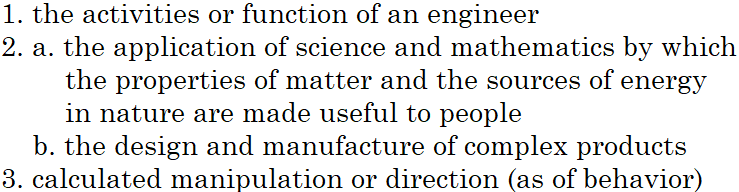
It’s really the second definition that stands out: the application of science and mathematics by which the properties of matter and the sources of energy in nature are made useful to people. Software does indeed apply different fields of science and mathematics to make something that’s useful to people.

The latter half of the second definition of engineering is the design and manufacture of complex products. Software is assuredly a complex product, made up of many different components, and it requires careful design and manufacture.
The last part of the definition of engineering is calculated manipulation or direction. Software development, at its core, is the manipulation and direction of a computer system. The developer is directing the behavior of the computer itself.
Accordingly, software development is engineering in a number of ways. That means a software engineer is in fact performing engineering, when they design and develop software.
Having established that software development is engineering, let’s consider whether it could also be science or even art. Following the same technique, let’s dissect the definition of science:
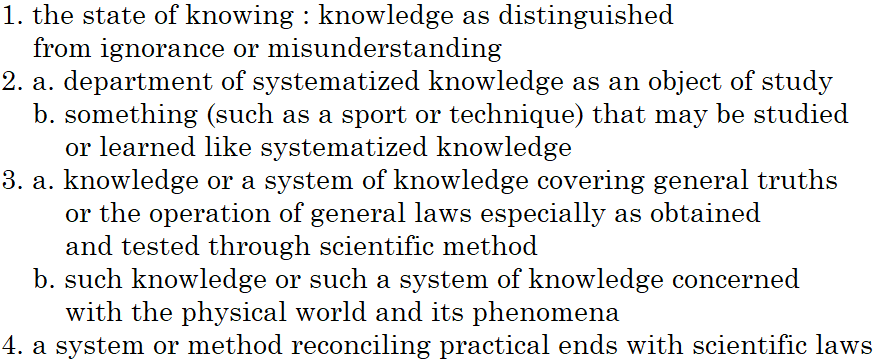
Systematized knowledge is any information which can be arranged according to an organized system. Software development requires understanding highly specific, organized information. Hence, it falls under the second definition of science. It can be studied and learned.

Furthermore, the development of software applies scientific and mathematical laws to bring about something useful in the real world. Essentially, it turns binary numbers into practical outcomes. Consequently, it also falls under the fourth definition of science.
Software development is genuinely a science, but there’s still one more question to consider. Could developing software actually be an art? Again, turning to the definition will help answer the question. Art is defined as:
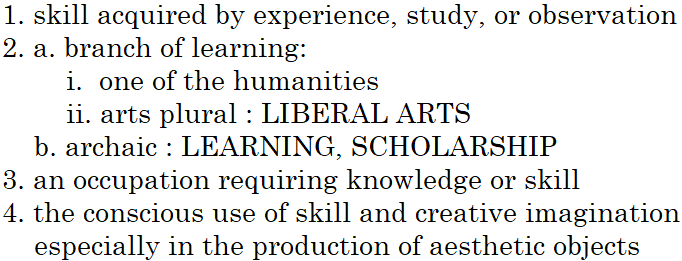
The first definition appears to fit. Software development is a skill which requires experience, study, and observation to master. It is a skill which improves with practice and refinement. It is also an occupation requiring skill and knowledge, so the third definition of art applies as well as the first.

However, it’s the fourth definition that really gets to the heart of what art truly is – a creative expression of aesthetics or beauty. When I speak of software as art, many people might think of computer graphics. While that can be art, it is using software, rather than creating software. When speaking of art in software development, I’m referring to the source code that comprises the software.
The beauty found in source code is not a visual aesthetic, but a mental aesthetic, much like other written language. Most people who aren’t developers may not realize there’s such a thing as ugly or pretty code. However, ask any developer what the ugliest code they’ve every written was, and they might blush.

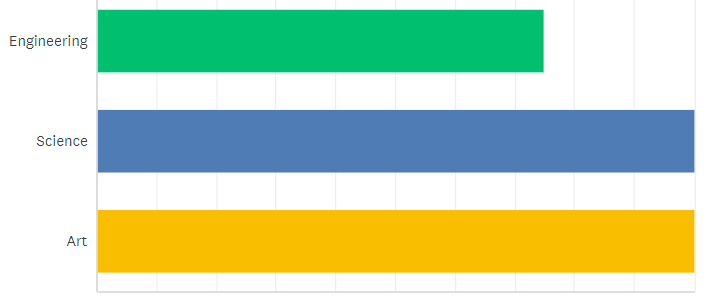
Remarkably, it turns out, software development is an art. It is also science, and it's engineering. It spans all three categories, and that still doesn’t fully describe it. It is vast, complex, and beautiful.
What do you think software development is?

It's with great excitement that I am finally able to introduce the world to Teos. This company has been my vision for a very long time. Now that I have accumulated years of experience and expertise, I want to share my passion for creating great software with you. Quality and Usability have always been the core tenets of my practice, and you will hear a lot about those topics from me.

Quality is what distinguishes exceptional software from the rest. I've been in this industry long enough to have seen many ways of creating software that work. I've also seen many that don't. I'm sure I've even been guilty of a few anti-patterns in my life.
However, I've also brought successful projects to market by championing test automation, continuous integration, continuous delivery, and adherence to Agile principles. In the upcoming articles in my blog, I plan to delve deeper into each of these topics, because they all contribute to a quality product.
Software usability essentially describes the quality of the human-computer interaction. Whether you're talking about a web site, mobile app, traditional desktop application, or one of today's IoT devices, at the forefront must be consideration on how the user will actually use the thing. This can include visual elements, audio, and workflow.

I tend to favor a minimalist approach that doesn't burden the user with unnecessary information. With all of the things biding for our attention, from devices to dogs, we tend to be overstimulated in today's society. This shouldn't extend to our interaction with computers or devices.
The user should be presented with what they need, in order to accomplish what they want to do. They shouldn't have to sort through a bunch of unwanted data to find what's relevant. Think about the early search engines, and which one ended up on top.
Look forward to discussions like this, and many more, to come in the weeks to follow. In the meantime, please take a look around the site and explore the services we offer. What can Teos and you accomplish together?