
Explore Teos Technology services, products, insights, and ways to connect with our team.
Artificial intelligence is accelerating faster than any technological shift in modern history. However, behind every breakthrough model, every real-time inference, and every AI-powered product lies something most people never see: Massive physical infrastructure.
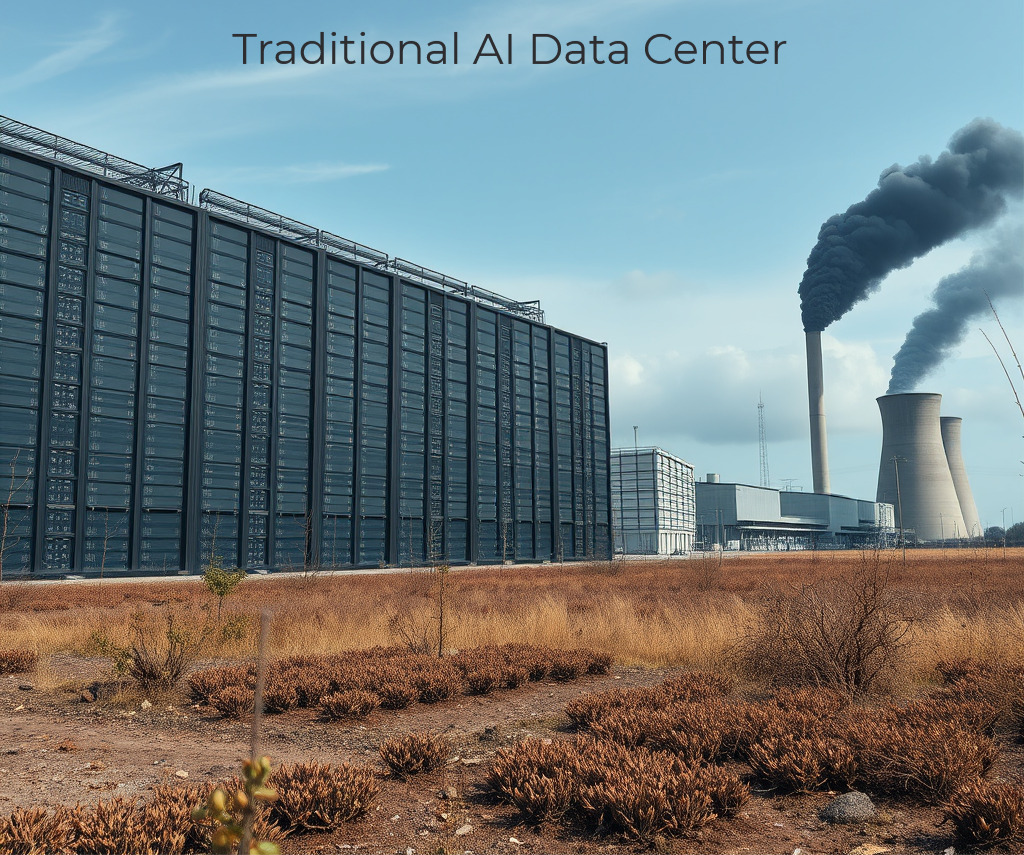
AI doesn’t live in the cloud. It lives in data centers, facilities that consume enormous amounts of electricity, water, land, and materials. Right now, we’re building them faster than we’re thinking about their consequences.
The Problem We Can’t Ignore
The next generation of AI data centers is fundamentally different from what came before.
-
A single large facility can consume as much electricity as a small city
-
Many rely on fossil fuels, directly or indirectly
-
Conventional cooling systems can use billions of gallons of fresh water annually
-
Poor siting decisions can disrupt ecosystems and threaten wildlife
-
Communities are left dealing with noise, infrastructure strain, and rising costs
In regions like my home of Colorado, and across the American West, this problem becomes even more serious. We are already facing:
-
Water scarcity
-
Ongoing uncertainty around the Colorado River
-
Increasing pressure on fragile ecosystems and endangered species
Yet, without clear standards, data center development risks making these problems worse.
This Isn’t an Anti-AI Argument
Let’s be clear:
This is not about slowing innovation. It’s about doing it responsibly.
AI has the potential to transform medicine, science, education, and the global economy. Yet, if the infrastructure behind it is reckless, we trade short-term progress for long-term damage.
We can, and must, do both:
-
Advance AI
-
Protect our natural resources for generations to come
A Better Model: Sustainable, Net-Positive AI Infrastructure
We believe the future of AI infrastructure should follow a simple principle:
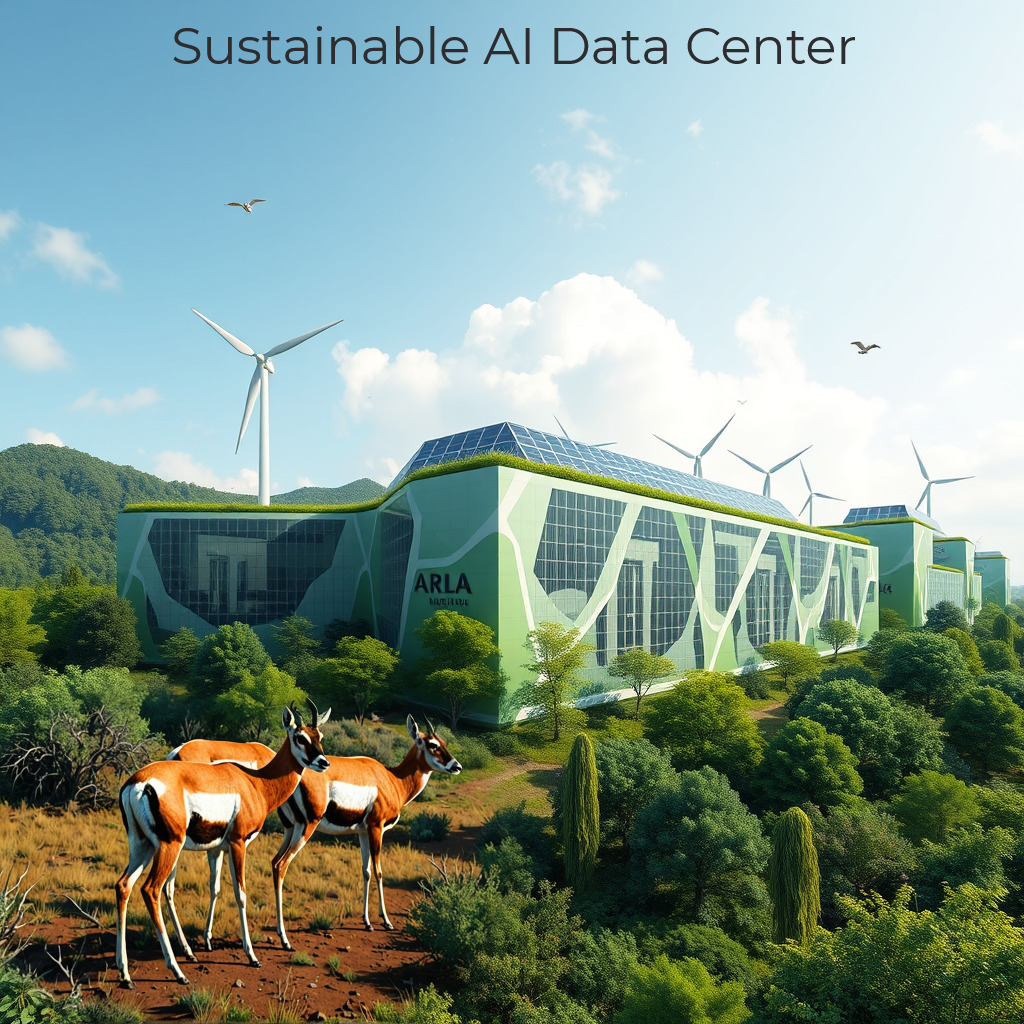
It should give back more than it takes.
That means drastically rethinking how data centers are designed, powered, and operated.
The Core Principles
1. 100% Renewable, Net-Positive Energy
AI data centers should:
-
Use only renewable energy
-
Generate more electricity than they consume
-
Eliminate reliance on fossil fuels entirely
Instead of burdening the grid, they should strengthen it.
2. Water Protection Through Closed-Loop Cooling
Water is one of the most overlooked impacts.
A proven solution exists:
-
Closed-loop cooling systems
-
Near-zero freshwater consumption
-
No continuous withdrawal from rivers or aquifers
In drought-prone regions, this isn’t optional, it’s essential for survival.
3. Carbon Neutral → Carbon Negative
Facilities should:
-
Start carbon neutral
-
Become carbon negative within a defined time-frame
-
Account for full lifecycle emissions, not just operations
No shortcuts. No greenwashing.
4. Wildlife-Safe and Environmentally Conscious Design
Even the physical structure matters.
-
Non-toxic, environmentally safe materials
-
Exterior designs that don’t disorient or harm wildlife
-
Dark-sky lighting to protect ecosystems
-
Careful siting to avoid sensitive habitats
Technology should coexist with nature, not disrupt it.
5. Community Protection
Data centers shouldn’t impose hidden costs on nearby communities.
That means:
-
Strict noise limits
-
Transparent environmental impact reporting
-
No shifting infrastructure costs onto taxpayers
If a project isn’t good for the community, it isn’t truly sustainable.
Why This Matters Right Now
We are at a turning point. AI infrastructure is expanding rapidly, but the rules governing it are still catching up. If we wait too long:
-
Water systems will be strained
-
Energy grids will be pushed to their limits
-
Communities will push back
-
Governments will react with restrictions or bans
We’re already seeing early signs of backlash. The choice isn’t between regulation and no regulation.
The choice is between:
-
Smart, forward-looking standards now
-
Or reactive, restrictive policies later
The Economic Reality
Sustainable data centers are not just better for the environment. They are better for the economy.
-
Lower long-term energy costs (no fuel volatility)
-
Reduced regulatory risk
-
Avoided infrastructure costs for taxpayers
-
Increased investor confidence
-
Stronger long-term asset value
They require more thoughtful design upfront, but over time, they are more efficient, more resilient, and more future-proof.
What We’re Building
We are creating a framework to make this real:
-
A clear, enforceable standard for sustainable AI infrastructure
-
A certification system to recognize responsible facilities
-
A policy foundation that lawmakers can adopt
-
A public movement to support responsible development
This is not about stopping data centers.
It’s about defining what a good one looks like.
The Bigger Idea
This is bigger than AI.
It’s about how we build the next generation of infrastructure in a world with real constraints:
-
Limited water
-
Changing climate
-
Fragile ecosystems
-
Growing energy demand
AI will shape the future, but the infrastructure behind it will determine whether that future is sustainable.
The Bottom Line
We don’t have to choose between innovation and responsibility. We can build systems that do both.
The question is not whether AI infrastructure will grow.
It will.
The question is:
Will we build it right?
Get Involved
-
Support responsible AI infrastructure
-
Encourage policymakers to adopt sustainable standards
-
Push for transparency and accountability
The decisions we make now will shape not just the future of AI,
but the future of the environment it depends on.
In recent years, artificial intelligence (AI) has emerged as one of the most transformative technologies of our time. While some fear its potential to increase wealth concentration and displace jobs, AI also offers immense opportunities for social good. By adopting AI in ways that benefit all, we can pave the way for a more equitable, efficient, and prosperous world. Here are ten ways AI can benefit humanity.
1. Revolutionizing Healthcare
AI has the potential to dramatically change healthcare by improving diagnostics and personalizing treatment. Advanced machine learning algorithms can analyze large datasets to identify health patterns, predict disease outbreaks, and assist in drug discovery. A study from the Journal of Medical Internet Research shows that AI can reduce misdiagnosis rates by up to 30%.
Imagine AI helping doctors detect diseases like cancer early through enhanced image recognition. This could lead to timely interventions that improve patient outcomes and save healthcare systems billions in costs.
2. Enhancing Education
AI can create personalized learning experiences for students of all ages. Intelligent tutoring systems can adapt lessons according to individual learning speeds and styles, thereby improving retention. For instance, a report from McKinsey found that personalized education can dramatically improve student performance by 10-30%.
By democratizing access to quality resources, AI can help students in underserved communities thrive. Instead of a one-size-fits-all curriculum, classrooms can cater to each student's unique needs, fostering a more skilled workforce for the future.
3. Tackling Climate Change
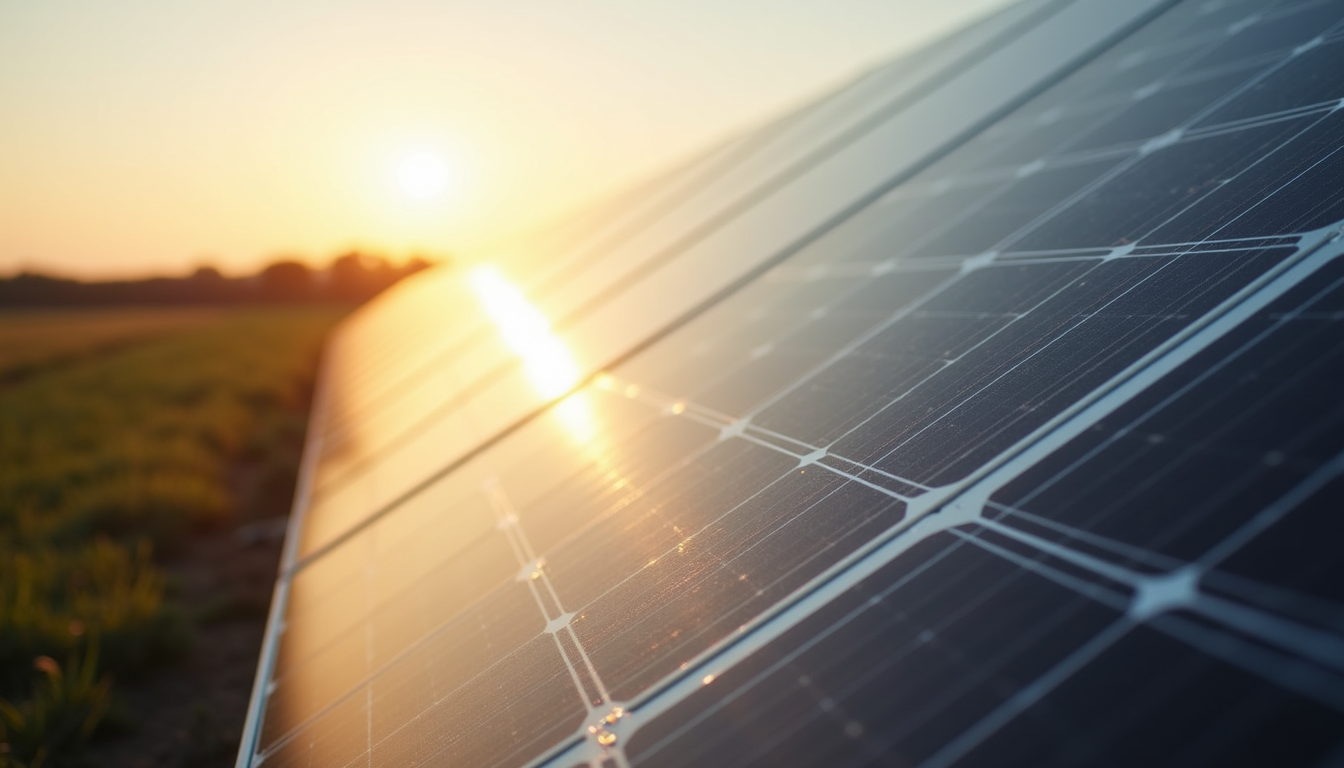
AI can be a game-changer in the fight against climate change. It enhances energy efficiency, improves resource management, and monitors environmental changes effectively. For example, AI algorithms can optimize electric grid performance, leading to a 10% reduction in energy consumption based on a study by PwC.
Using AI to analyze climate data can lead to smarter city designs and sustainable agricultural practices. Such initiatives can lower carbon footprints, helping us transition to a greener future.
4. Improving Public Safety
AI can enhance public safety measures through data analysis of crime patterns and traffic situations. Predictive policing uses AI to analyze historical data, which can help reduce crime rates by 20% in some areas, according to the Urban Institute.
While responsible implementation is critical, AI has the potential to create safer public spaces, ensuring our communities are protected more effectively.
5. Increasing Accessibility
AI's ability to enhance accessibility for individuals with disabilities is compelling. Tools like speech recognition, text-to-speech, and computer vision can make information more navigable and comprehensible. According to the National Center for Learning Disabilities, AI-supported technologies can improve student access to education for 8% of the population in the U.S. who has learning disabilities.
By breaking down barriers, AI can create an inclusive society where everyone, regardless of ability, has equal access to opportunities and services.
6. Advancing Agricultural Practices
AI can revolutionize agriculture, improving crop yields and sustainability. Machine learning algorithms analyze factors like soil health and weather patterns to recommend effective planting strategies. For instance, a report from the Food and Agriculture Organization indicates that AI could help reduce waste by up to 30%.
This leads to increased food security and benefits populations in developing regions where food shortages remain a pressing concern.

7. Facilitating Humanitarian Aid
AI can improve humanitarian aid distribution by analyzing data to identify needs and optimize delivery methods. Natural language processing allows NGOs to gauge sentiment through social media and news, enhancing response strategies. During the 2015 Nepal earthquake, AI supported real-time assessments, helping channel aid quickly.
In crisis situations, AI makes humanitarian efforts more effective and efficient, saving lives in affected communities.
8. Empowering Individuals with Financial Literacy
Financial literacy is vital for economic empowerment. AI tools offer personalized advice, budgeting tips, and investment insights. Such tools can help individuals make smarter financial decisions, leading to increased savings and investments.
A study from the Financial Planning Association states that financial empowerment through AI tools could help reduce the wealth gap, allowing more individuals to achieve stability and independence.
9. Streamlining Governance
AI enhances governance by increasing efficiency and transparency in public services. Analyzing data from various public sources helps identify government inefficiencies and streamline processes. According to a report by Deloitte, AI can improve public service delivery speeds by 25%, benefiting citizens with real-time access to government services.
This fosters trust and engagement between governments and their citizens, contributing to a more participatory democratic process.
10. Unlocking Creative Potential
AI extends beyond functional applications; it also boosts creativity. Technologies like generative design and AI-assisted art creation allow individuals to explore new forms of expression. A report from Adobe highlighted that 61% of creatives believe that AI will play a significant role in how creative content will be generated in the future.
By enabling more people to innovate and create, AI cultivates a vibrant cultural landscape that enriches society as a whole.
The Path Forward
The potential of AI to uplift humanity is only limited by our imagination and willingness to implement it responsibly. By focusing on inclusive and equitable applications, we can transform lives and enhance our future.
To ensure AI serves the greater good, advocacy for ethical development and accessible technology is crucial. With a collective effort, we can harness AI’s power to build a tomorrow where everyone can thrive, creating a just and fair society for all.