
Explore Teos Technology services, products, insights, and ways to connect with our team.
In recent years, artificial intelligence (AI) has emerged as one of the most transformative technologies of our time. While some fear its potential to increase wealth concentration and displace jobs, AI also offers immense opportunities for social good. By adopting AI in ways that benefit all, we can pave the way for a more equitable, efficient, and prosperous world. Here are ten ways AI can benefit humanity.
1. Revolutionizing Healthcare
AI has the potential to dramatically change healthcare by improving diagnostics and personalizing treatment. Advanced machine learning algorithms can analyze large datasets to identify health patterns, predict disease outbreaks, and assist in drug discovery. A study from the Journal of Medical Internet Research shows that AI can reduce misdiagnosis rates by up to 30%.
Imagine AI helping doctors detect diseases like cancer early through enhanced image recognition. This could lead to timely interventions that improve patient outcomes and save healthcare systems billions in costs.
2. Enhancing Education
AI can create personalized learning experiences for students of all ages. Intelligent tutoring systems can adapt lessons according to individual learning speeds and styles, thereby improving retention. For instance, a report from McKinsey found that personalized education can dramatically improve student performance by 10-30%.
By democratizing access to quality resources, AI can help students in underserved communities thrive. Instead of a one-size-fits-all curriculum, classrooms can cater to each student's unique needs, fostering a more skilled workforce for the future.
3. Tackling Climate Change
AI can be a game-changer in the fight against climate change. It enhances energy efficiency, improves resource management, and monitors environmental changes effectively. For example, AI algorithms can optimize electric grid performance, leading to a 10% reduction in energy consumption based on a study by PwC.
Using AI to analyze climate data can lead to smarter city designs and sustainable agricultural practices. Such initiatives can lower carbon footprints, helping us transition to a greener future.

4. Improving Public Safety
AI can enhance public safety measures through data analysis of crime patterns and traffic situations. Predictive policing uses AI to analyze historical data, which can help reduce crime rates by 20% in some areas, according to the Urban Institute.
While responsible implementation is critical, AI has the potential to create safer public spaces, ensuring our communities are protected more effectively.
5. Increasing Accessibility
AI's ability to enhance accessibility for individuals with disabilities is compelling. Tools like speech recognition, text-to-speech, and computer vision can make information more navigable and comprehensible. According to the National Center for Learning Disabilities, AI-supported technologies can improve student access to education for 8% of the population in the U.S. who has learning disabilities.
By breaking down barriers, AI can create an inclusive society where everyone, regardless of ability, has equal access to opportunities and services.
6. Advancing Agricultural Practices
AI can revolutionize agriculture, improving crop yields and sustainability. Machine learning algorithms analyze factors like soil health and weather patterns to recommend effective planting strategies. For instance, a report from the Food and Agriculture Organization indicates that AI could help reduce waste by up to 30%.
This leads to increased food security and benefits populations in developing regions where food shortages remain a pressing concern.

7. Facilitating Humanitarian Aid
AI can improve humanitarian aid distribution by analyzing data to identify needs and optimize delivery methods. Natural language processing allows NGOs to gauge sentiment through social media and news, enhancing response strategies. During the 2015 Nepal earthquake, AI supported real-time assessments, helping channel aid quickly.
In crisis situations, AI makes humanitarian efforts more effective and efficient, saving lives in affected communities.
8. Empowering Individuals with Financial Literacy
Financial literacy is vital for economic empowerment. AI tools offer personalized advice, budgeting tips, and investment insights. Such tools can help individuals make smarter financial decisions, leading to increased savings and investments.
A study from the Financial Planning Association states that financial empowerment through AI tools could help reduce the wealth gap, allowing more individuals to achieve stability and independence.
9. Streamlining Governance
AI enhances governance by increasing efficiency and transparency in public services. Analyzing data from various public sources helps identify government inefficiencies and streamline processes. According to a report by Deloitte, AI can improve public service delivery speeds by 25%, benefiting citizens with real-time access to government services.
This fosters trust and engagement between governments and their citizens, contributing to a more participatory democratic process.
10. Unlocking Creative Potential
AI extends beyond functional applications; it also boosts creativity. Technologies like generative design and AI-assisted art creation allow individuals to explore new forms of expression. A report from Adobe highlighted that 61% of creatives believe that AI will play a significant role in how creative content will be generated in the future.
By enabling more people to innovate and create, AI cultivates a vibrant cultural landscape that enriches society as a whole.
The Path Forward
The potential of AI to uplift humanity is only limited by our imagination and willingness to implement it responsibly. By focusing on inclusive and equitable applications, we can transform lives and enhance our future.
To ensure AI serves the greater good, advocacy for ethical development and accessible technology is crucial. With a collective effort, we can harness AI’s power to build a tomorrow where everyone can thrive, creating a just and fair society for all.
Artificial Intelligence (AI) is reshaping our world in significant ways. From enhancing productivity in industries to improving our daily lives with smart technology, AI's promise is immense. However, as we harness its power, we must carefully consider the ethical challenges that arise from its development and use. This blog post explores the key ethical issues related to AI, provides relevant examples, and discusses how we can responsibly integrate AI in a way that benefits society while acknowledging the risks associated with profit-driven motives.

The Issue of Copyrighted Material in AI Training
A critical ethical issue in AI is the use of copyrighted materials for training purposes. AI systems, particularly in machine learning, draw from vast datasets that often include copyrighted content, raising questions about intellectual property rights.
For example, generative AI tools like Midjourney create artworks by mimicking the styles of existing artists. If these tools are trained on copyrighted works without permission, they could infringe on the creators' rights. In 2022, Midjourney faced lawsuits over the unauthorized use of copyrighted images to train its algorithms.
While some argue that this practice falls under fair use, the ambiguity in copyright law leads to potential exploitation of artists. As AI continues to advance, establishing clear frameworks to protect intellectual property while encouraging innovation is essential. For instance, the Association of Computing Machinery (ACM) emphasizes transparency in how data is sourced and used in developing AI systems.
Job Displacement Due to Automation
The rise of AI automation brings valid concerns about job displacement across various sectors. While AI can significantly enhance efficiency, it also poses risks to the livelihoods of many workers.
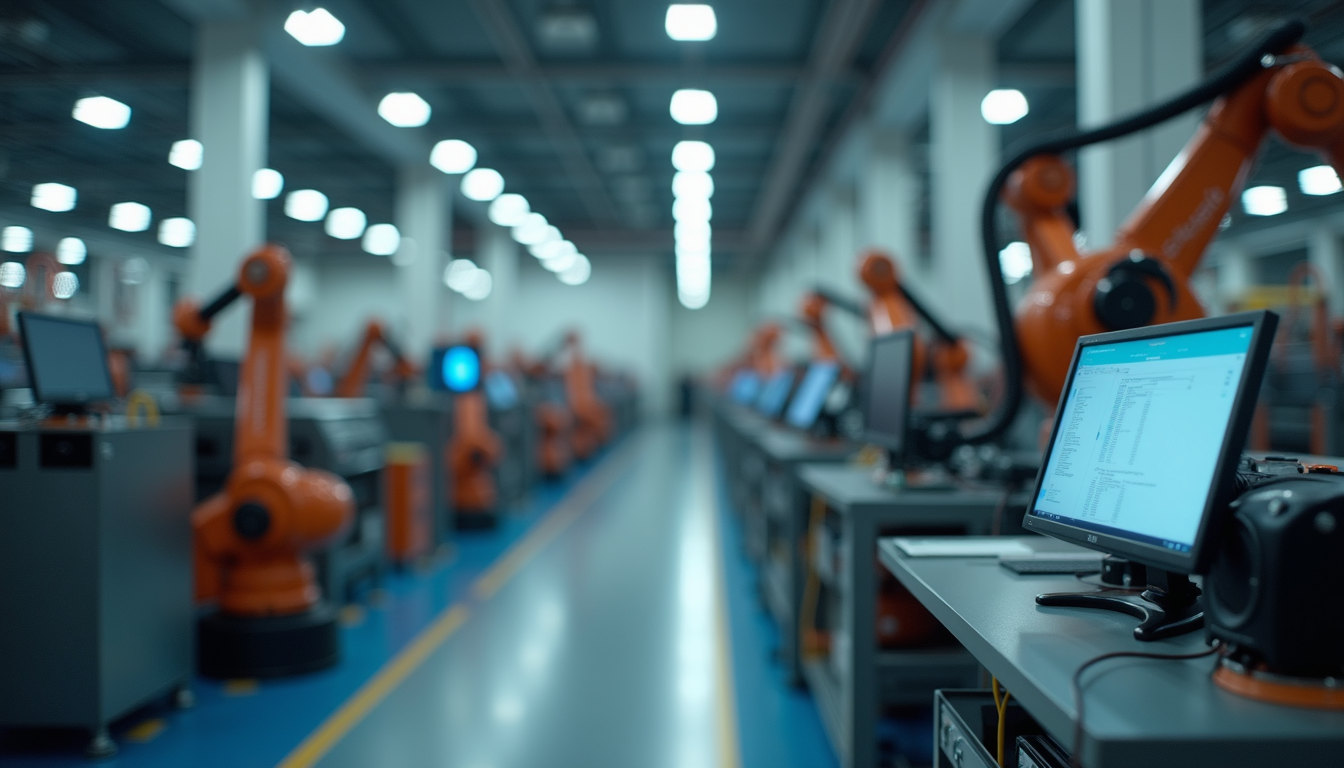
In the manufacturing sector, for instance, robots are increasingly performing repetitive tasks like assembly line work. This shift has improved output and reduced costs, but it has also led to significant job losses. A McKinsey Global Institute report predicted that by 2030, up to 375 million workers worldwide may need to transition to new roles due to automation.
This situation prompts an important ethical question: What responsibilities do companies and governments have to retrain and support workers affected by automation? Investing in retraining programs and career transition support is crucial to ensure that technological advancements do not come at the cost of human employment.
Addressing Training Bias in AI Models
Bias in AI systems is another pressing ethical concern. AI learns from the data used to train it, which can lead to issues if that data contains inherent biases.
A notable case was highlighted by an MIT study indicating that an AI recruiting tool was biased against women because it was trained primarily on male resumes. Consequently, this AI overlooked qualified female candidates, perpetuating a gender bias in hiring practices.
To tackle this issue, organizations are increasingly focusing on creating diverse training datasets and implementing algorithmic adjustments for fairness. Companies have initiated projects that prioritize fairness in AI recruitment tools, emphasizing the need for developers to actively seek equity in their training processes.
The Dawn of Surveillance Capitalism
As AI becomes more integrated into everyday life, concerns over privacy and surveillance are growing. Many AI systems, such as facial recognition technology, pose ethical dilemmas when used for monitoring and security.

For example, cities that have implemented facial recognition systems claim it reduces crime rates, yet critics argue it infringes on individual privacy. Instances of facial recognition being used in public spaces without consent have raised alarms about civil liberties and potential abuses of power.
Without proper regulations, the capacity of AI to monitor individuals can deepen societal inequalities. Establishing guidelines that protect individual rights while ensuring public safety is essential in navigating the ethical implications of AI surveillance.
Ensuring Ethical AI Development and Deployment
Given the important ethical concerns tied to AI, fostering responsible AI practices is crucial. Ethical AI development goes beyond mere legal compliance; it requires a commitment to transparency and accountability.
Several organizations, including the Partnership on AI, have established guidelines to inform ethical AI strategies. These guidelines advocate for collaboration among technologists, ethicists, and impacted communities. Including diverse perspectives in AI development can help create systems that uphold ethical values while meeting technical standards.
The Positive Potential of Ethical AI
Ethical AI can yield substantial benefits for society. In healthcare, AI applications can analyze patient data to detect diseases early, improving treatment outcomes and public health. For example, AI models are being used to predict patient deterioration, allowing for timely interventions that can reduce hospital readmission rates by up to 30%.
In education, AI-driven personalized learning platforms adapt to individual student needs, promoting equity in learning opportunities. Such applications demonstrate that when ethical considerations guide AI development, the technology can have a positive societal impact.
Moreover, prioritizing ethical AI can spur innovation and economic growth, creating jobs in emerging sectors. By focusing on people over profit, stakeholders can cultivate environments where technology supports and uplifts communities.
The Dangers of Prioritizing Economic Gain
On the flip side, developing AI solely for profit poses serious risks. When financial gain becomes the primary focus, exploitative practices may occur, reinforcing existing inequalities and undermining public trust in technology.
Take the Cambridge Analytica incident as a prime example. The misuse of personal data for political gain demonstrated the catastrophic consequences of disregarding ethical standards. Such scandals highlight the necessity for developers and organizations to avoid prioritizing short-term profits over societal welfare.
To foster a healthier relationship with technology, an ethical approach to AI development must emphasize the long-term implications for communities and individuals.
Creating a Framework for Ethical AI
Going forward, the creation of a comprehensive framework for ethical AI is essential. Collaboration among governments, tech companies, academia, and civil society is necessary to develop guidelines that ensure transparency and fairness in AI systems.
This includes regulatory measures that protect individual rights and set standards for data privacy and AI deployment. By uniting various stakeholders, we can work towards an AI landscape that serves as a positive force for social change, addressing societal challenges rather than compounding them.
Final Thoughts
The ethical challenges surrounding AI are complex and multi-layered, covering issues from copyright infringement to job displacement and bias. As technology advances rapidly, tackling these concerns becomes increasingly vital.
To develop ethical AI, we must commit to transparency, inclusivity, and accountability. By placing ethical considerations at the forefront, we can harness AI’s potential to enhance lives while minimizing the risks of exploitation and inequality.
When approached with thoughtfulness, AI can indeed be a force for good. Engaging all stakeholders in this crucial conversation is imperative as we navigate the ethical landscape of our AI-driven future.