
Explore Teos Technology services, products, insights, and ways to connect with our team.
Artificial intelligence is accelerating faster than any technological shift in modern history. However, behind every breakthrough model, every real-time inference, and every AI-powered product lies something most people never see: Massive physical infrastructure.
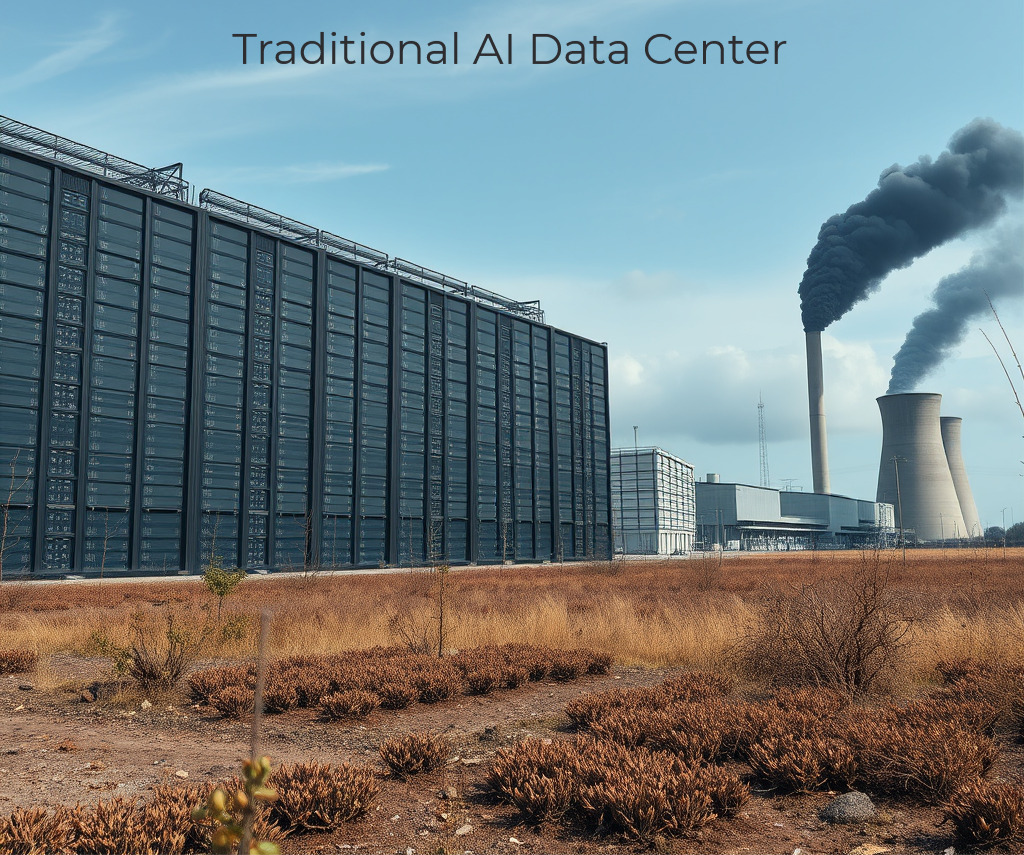
AI doesn’t live in the cloud. It lives in data centers, facilities that consume enormous amounts of electricity, water, land, and materials. Right now, we’re building them faster than we’re thinking about their consequences.
The Problem We Can’t Ignore
The next generation of AI data centers is fundamentally different from what came before.
-
A single large facility can consume as much electricity as a small city
-
Many rely on fossil fuels, directly or indirectly
-
Conventional cooling systems can use billions of gallons of fresh water annually
-
Poor siting decisions can disrupt ecosystems and threaten wildlife
-
Communities are left dealing with noise, infrastructure strain, and rising costs
In regions like my home of Colorado, and across the American West, this problem becomes even more serious. We are already facing:
-
Water scarcity
-
Ongoing uncertainty around the Colorado River
-
Increasing pressure on fragile ecosystems and endangered species
Yet, without clear standards, data center development risks making these problems worse.
This Isn’t an Anti-AI Argument
Let’s be clear:
This is not about slowing innovation. It’s about doing it responsibly.
AI has the potential to transform medicine, science, education, and the global economy. Yet, if the infrastructure behind it is reckless, we trade short-term progress for long-term damage.
We can, and must, do both:
-
Advance AI
-
Protect our natural resources for generations to come
A Better Model: Sustainable, Net-Positive AI Infrastructure
We believe the future of AI infrastructure should follow a simple principle:
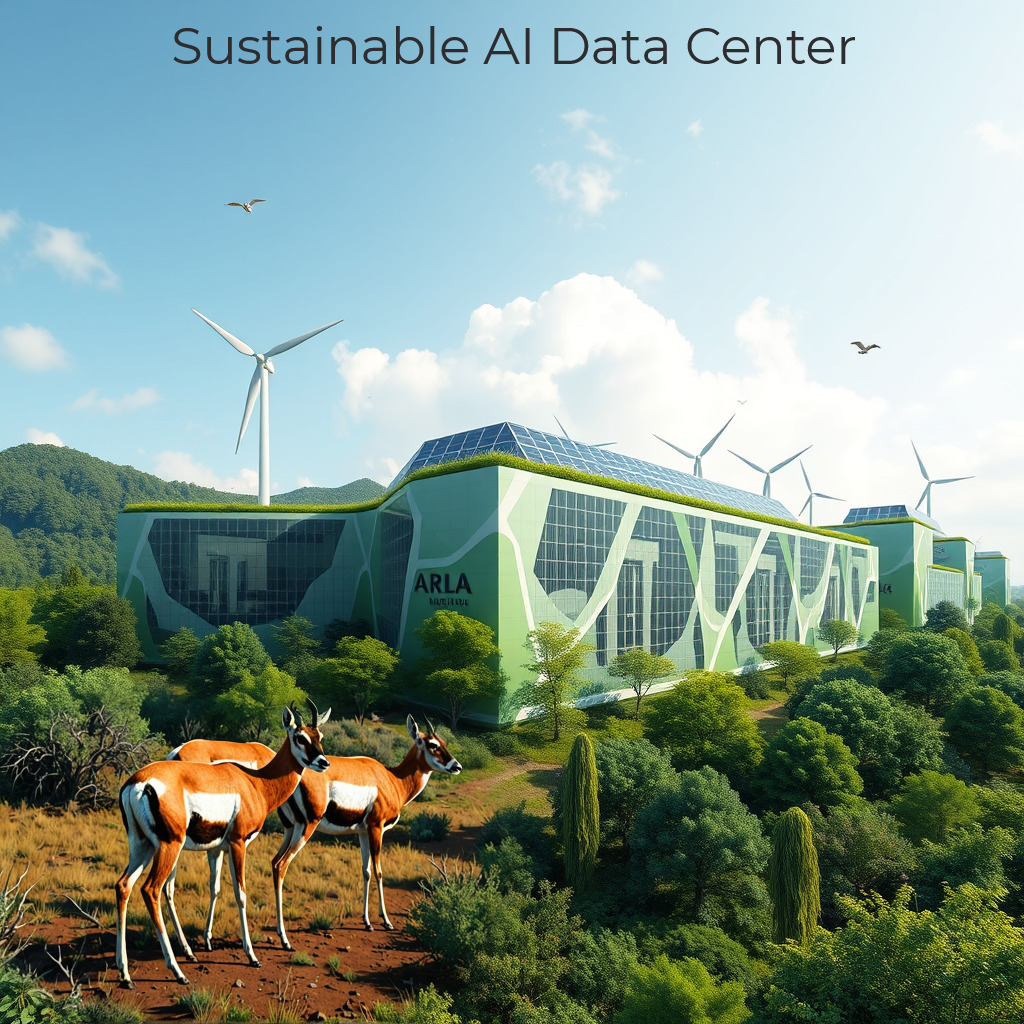
It should give back more than it takes.
That means drastically rethinking how data centers are designed, powered, and operated.
The Core Principles
1. 100% Renewable, Net-Positive Energy
AI data centers should:
-
Use only renewable energy
-
Generate more electricity than they consume
-
Eliminate reliance on fossil fuels entirely
Instead of burdening the grid, they should strengthen it.
2. Water Protection Through Closed-Loop Cooling
Water is one of the most overlooked impacts.
A proven solution exists:
-
Closed-loop cooling systems
-
Near-zero freshwater consumption
-
No continuous withdrawal from rivers or aquifers
In drought-prone regions, this isn’t optional, it’s essential for survival.
3. Carbon Neutral → Carbon Negative
Facilities should:
-
Start carbon neutral
-
Become carbon negative within a defined time-frame
-
Account for full lifecycle emissions, not just operations
No shortcuts. No greenwashing.
4. Wildlife-Safe and Environmentally Conscious Design
Even the physical structure matters.
-
Non-toxic, environmentally safe materials
-
Exterior designs that don’t disorient or harm wildlife
-
Dark-sky lighting to protect ecosystems
-
Careful siting to avoid sensitive habitats
Technology should coexist with nature, not disrupt it.
5. Community Protection
Data centers shouldn’t impose hidden costs on nearby communities.
That means:
-
Strict noise limits
-
Transparent environmental impact reporting
-
No shifting infrastructure costs onto taxpayers
If a project isn’t good for the community, it isn’t truly sustainable.
Why This Matters Right Now
We are at a turning point. AI infrastructure is expanding rapidly, but the rules governing it are still catching up. If we wait too long:
-
Water systems will be strained
-
Energy grids will be pushed to their limits
-
Communities will push back
-
Governments will react with restrictions or bans
We’re already seeing early signs of backlash. The choice isn’t between regulation and no regulation.
The choice is between:
-
Smart, forward-looking standards now
-
Or reactive, restrictive policies later
The Economic Reality
Sustainable data centers are not just better for the environment. They are better for the economy.
-
Lower long-term energy costs (no fuel volatility)
-
Reduced regulatory risk
-
Avoided infrastructure costs for taxpayers
-
Increased investor confidence
-
Stronger long-term asset value
They require more thoughtful design upfront, but over time, they are more efficient, more resilient, and more future-proof.
What We’re Building
We are creating a framework to make this real:
-
A clear, enforceable standard for sustainable AI infrastructure
-
A certification system to recognize responsible facilities
-
A policy foundation that lawmakers can adopt
-
A public movement to support responsible development
This is not about stopping data centers.
It’s about defining what a good one looks like.
The Bigger Idea
This is bigger than AI.
It’s about how we build the next generation of infrastructure in a world with real constraints:
-
Limited water
-
Changing climate
-
Fragile ecosystems
-
Growing energy demand
AI will shape the future, but the infrastructure behind it will determine whether that future is sustainable.
The Bottom Line
We don’t have to choose between innovation and responsibility. We can build systems that do both.
The question is not whether AI infrastructure will grow.
It will.
The question is:
Will we build it right?
Get Involved
-
Support responsible AI infrastructure
-
Encourage policymakers to adopt sustainable standards
-
Push for transparency and accountability
The decisions we make now will shape not just the future of AI,
but the future of the environment it depends on.